

SIC | EXCHANGE | AGILE
Cleaning Senpai
Company name
Cleaning Senpai
Category
Waste Management
Project Type
Pilot Project
Date
Feb, 2025
Executive summary
User can report unattended trash around the campus by simply snapping a picture and adding description. App automatically sends the report to the concerned supervisor for that particular region. Supervisor can share the details on whatsapp to cleaning staff and clear the task(even deny if required). Once the spot is cleaned, user receives the notification for the same. In this way the app bridges the gap of communication between students and IITH Administration and promotes quick and efficient cleaning activities, helping out the supervisors in identifying the areas which require attention.
Problem statement
Traditional paddy farming practices involve prolonged flooding of fields, which suppresses weed growth but creates anaerobic conditions that promote methane production by methanogenic bacteria. This process contributes significantly to methane (CH₄) emissions, making paddy cultivation the second-largest source of methane emissions in India after livestock.
Problem statement
Traditional paddy farming practices involve prolonged flooding of fields, which suppresses weed growth but creates anaerobic conditions that promote methane production by methanogenic bacteria. This process contributes significantly to methane (CH₄) emissions, making paddy cultivation the second-largest source of methane emissions in India after livestock.
Goals and Objectives
- Assess Challenges & Methods – Identify the barriers and solutions for paddy farmers to adopt sustainable farming practices and qualify for carbon credits.
- Explain Carbon Credit Mechanisms – Outline the process of acquiring carbon credits, government policies, and market dynamics in India.
- Evaluate Feasibility & Implementation – Analyze the practical challenges of executing carbon trading projects in paddy farming, including financial and time constraints
Our role in execution
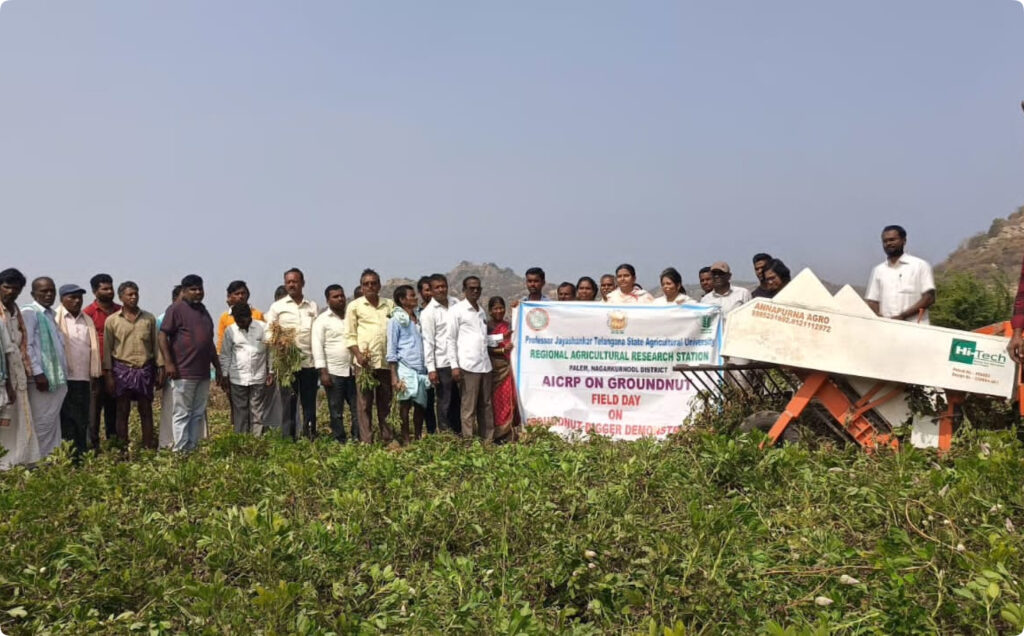
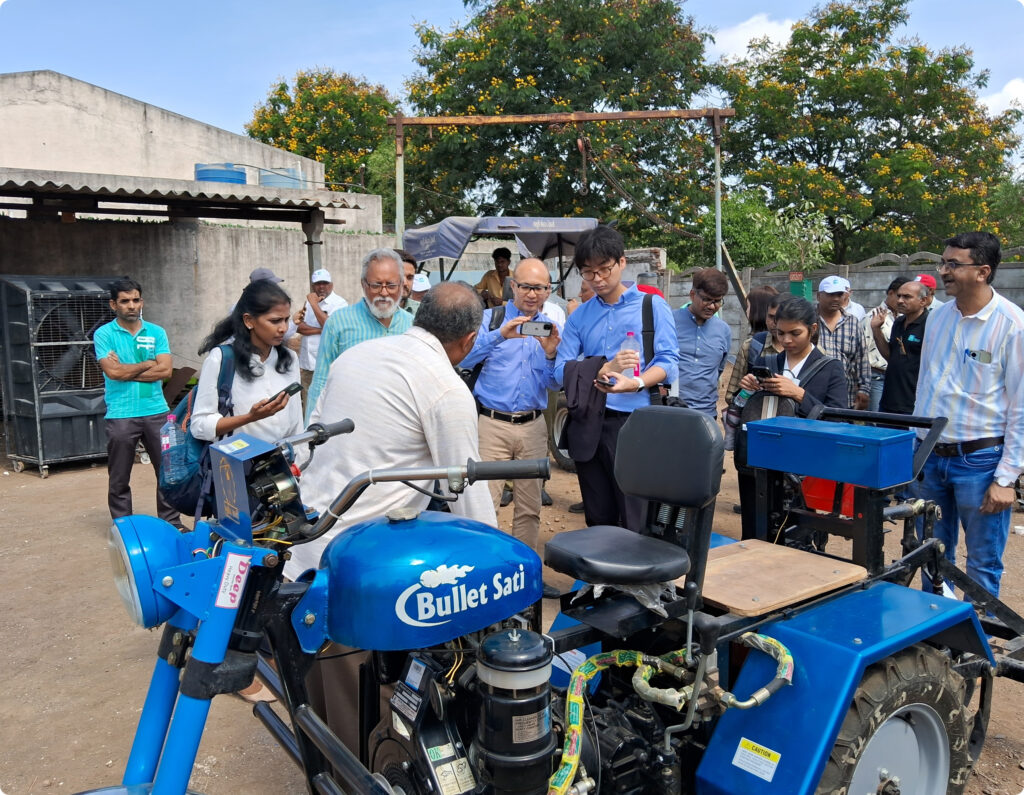
We are responsible for conducting research, analyzing data, and presenting insights on carbon trading and sustainable agricultural practices.
“
Efforts needed for implementation of the new methods are high and shortage of labour makes it even more expensive, given the meagre profits. ”
Farmer from Sangareddy
Learnings & Failures
Learning:
- Importance of Methane Reduction – Paddy farming significantly contributes to methane emissions, and adopting sustainable practices can mitigate climate impact.
- Carbon Credit Process – Understanding the steps to register, verify, and trade carbon credits, along with the challenges involved in implementation.
- Government Initiatives & Policies – Insights into India’s stance on sustainable agriculture, voluntary carbon markets, and regulatory frameworks.
- Barriers to Adoption – High costs, lack of awareness, and the complexity of carbon credit registration discourage small and medium-scale farmers.
Failures:
- Pilot Project Not Executed – Due to the long execution time (around two years) and high investment requirements, the planned pilot study was not carried out.
- Limited Practical Feasibility – Small and medium farmers struggle to benefit from carbon trading due to their limited land holdings and the high cost of required technologies.
Explore More Insights
Access the full report, related blogs, and press releases to dive deeper into the impact and execution of this project.
Empowering Success
and Well-Being
Lives Impacted
Lives Impacted
Lives Impacted
Lives Impacted
Our Project Team
Internal Team

Jane Doe

Witnessing the struggles in Western Odisha where cotton productivity was low and soil quality had degraded due to poor inputs
Apr 15, 2025
Jane Doe
Witnessing the struggles in Western Odisha where cotton productivity was low and soil quality had degraded due to poor inputs
Apr 15, 2025
Jane Doe
Witnessing the struggles in Western Odisha where cotton productivity was low and soil quality had degraded due to poor inputs
Apr 15, 2025
External Team
Jane Doe
Witnessing the struggles in Western Odisha where cotton productivity was low and soil quality had degraded due to poor inputs
Apr 15, 2025
Jane Doe
Witnessing the struggles in Western Odisha where cotton productivity was low and soil quality had degraded due to poor inputs
Apr 15, 2025
Jane Doe
Witnessing the struggles in Western Odisha where cotton productivity was low and soil quality had degraded due to poor inputs