

Blog · Livelihood
Why is it that farmers need secondary sources of income?
The short answer
Farmers need secondary income because their earnings arrive episodically, once a harvest, while the costs of food, shelter, education and healthcare arrive every day. Pests, wild animals, climate and price swings shrink that income, and few farmers have insurance cover, so debt fills the gaps. Steady side incomes such as goat-rearing, catering or small-scale manufacturing help break that cycle.
Understanding farmer income
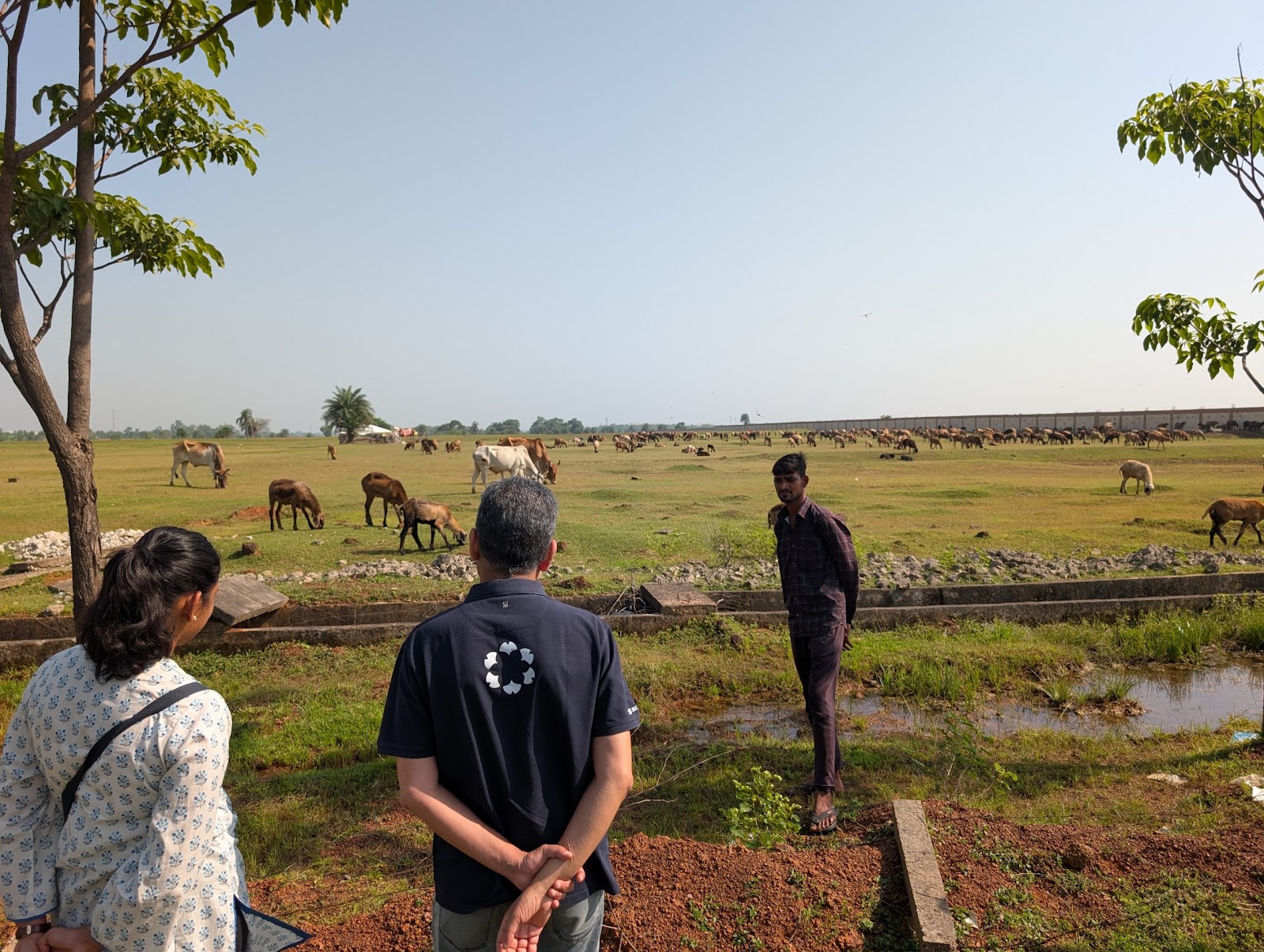
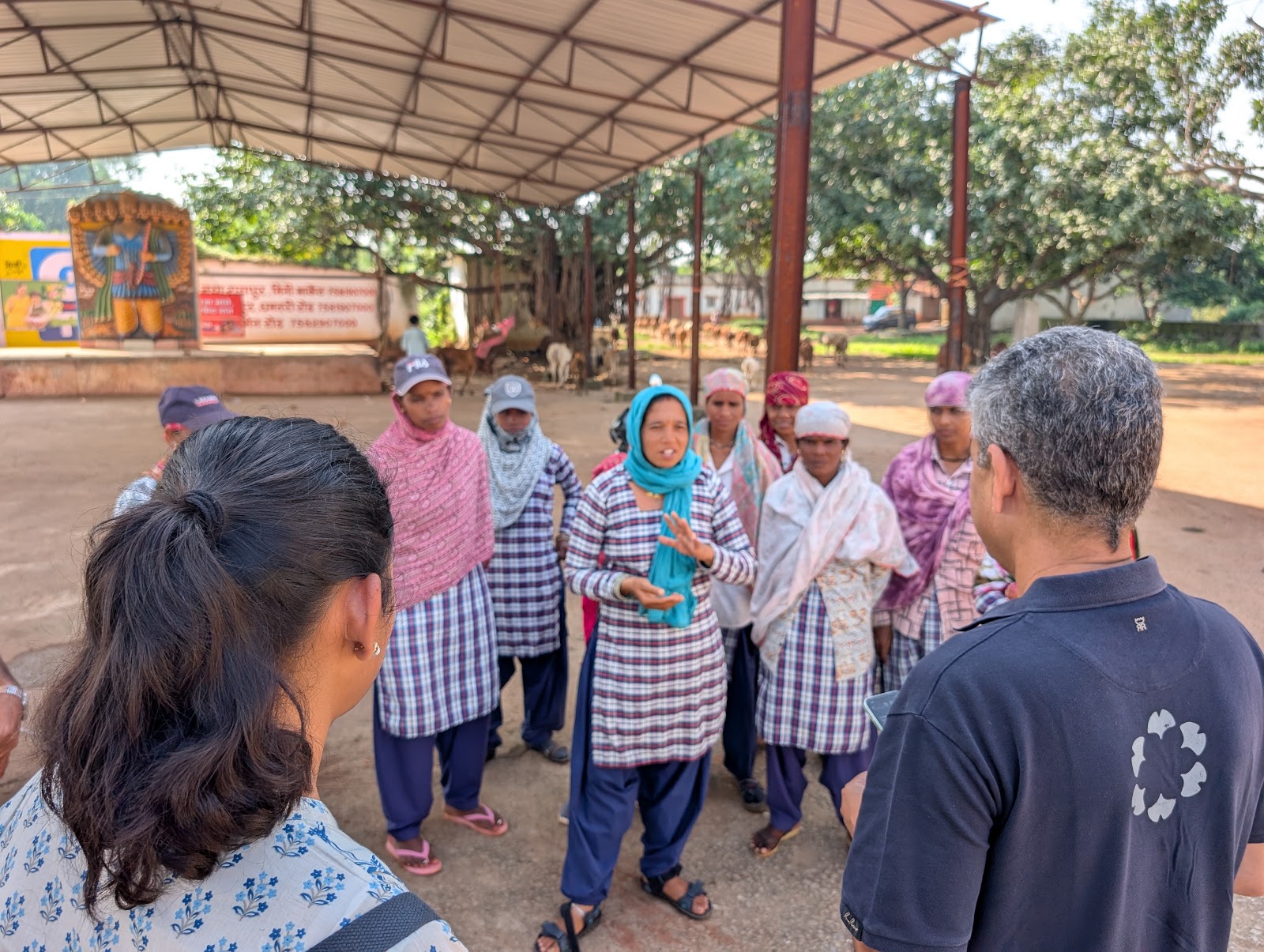
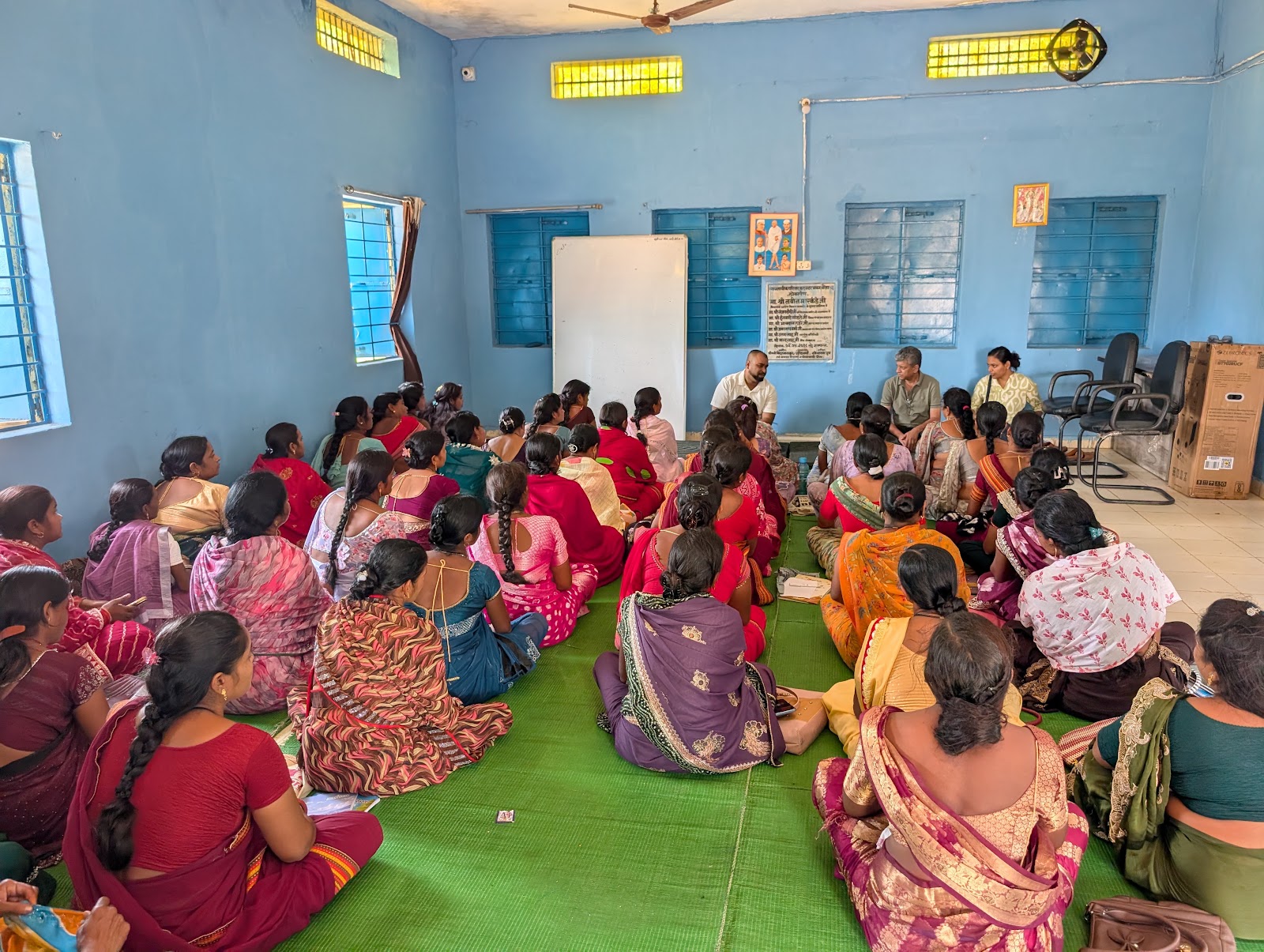
Next Bharat Ventures is an impact VC with a strong intent for increasing farmer incomes. The motivating reason is that 1 in 2 Indians are employed in agriculture, which accounts for about 16% of the Indian GDP. Yet, the farmers’ debt crisis makes headlines year after year. We wanted to understand why is it that despite working 14 hour days farmers continue to be in debt? To answer this question, we spoke to farmers in specific pockets of Chhattisgarh and Maharashtra about the crops they grow, why these specific crops, what does a day in their life look like, and what kind of inflows and outflows do they face.
We learnt that while farmers’ earnings are episodic, they incur regular costs. Farmers don’t earn monthly salaries but must meet the rising costs of living daily. To picture this, imagine you will only get your salary once a year and until then must manage food, shelter, clothing, education, and healthcare needs on your own. Debt inevitably fills the gaps.
This situation is worsened by the risky nature of agriculture. From wild animals and pests to the changing climate and the price uncertainties adversely affects farmer incomes. One might assume insurance would manage many of the risks in agriculture, but few farmers we spoke with had any kind of cover. Many did not know what was available, found it confusing, or did not trust that claims would be paid. For many, insurance seemed to be a “bad investment”: they pay premiums with no guarantee of getting even that money back. This leaves those who need protection the most, the least served.
Is there a way out?
There are two categories of farmers who have good answers to these hard questions. The first category is the ‘lucky’ farmer who has over five acres of land and sufficient irrigation access so that she can plant a variety of crops and get just about enough returns to ride out the year.
Most Indian farmers are unlucky farmers.
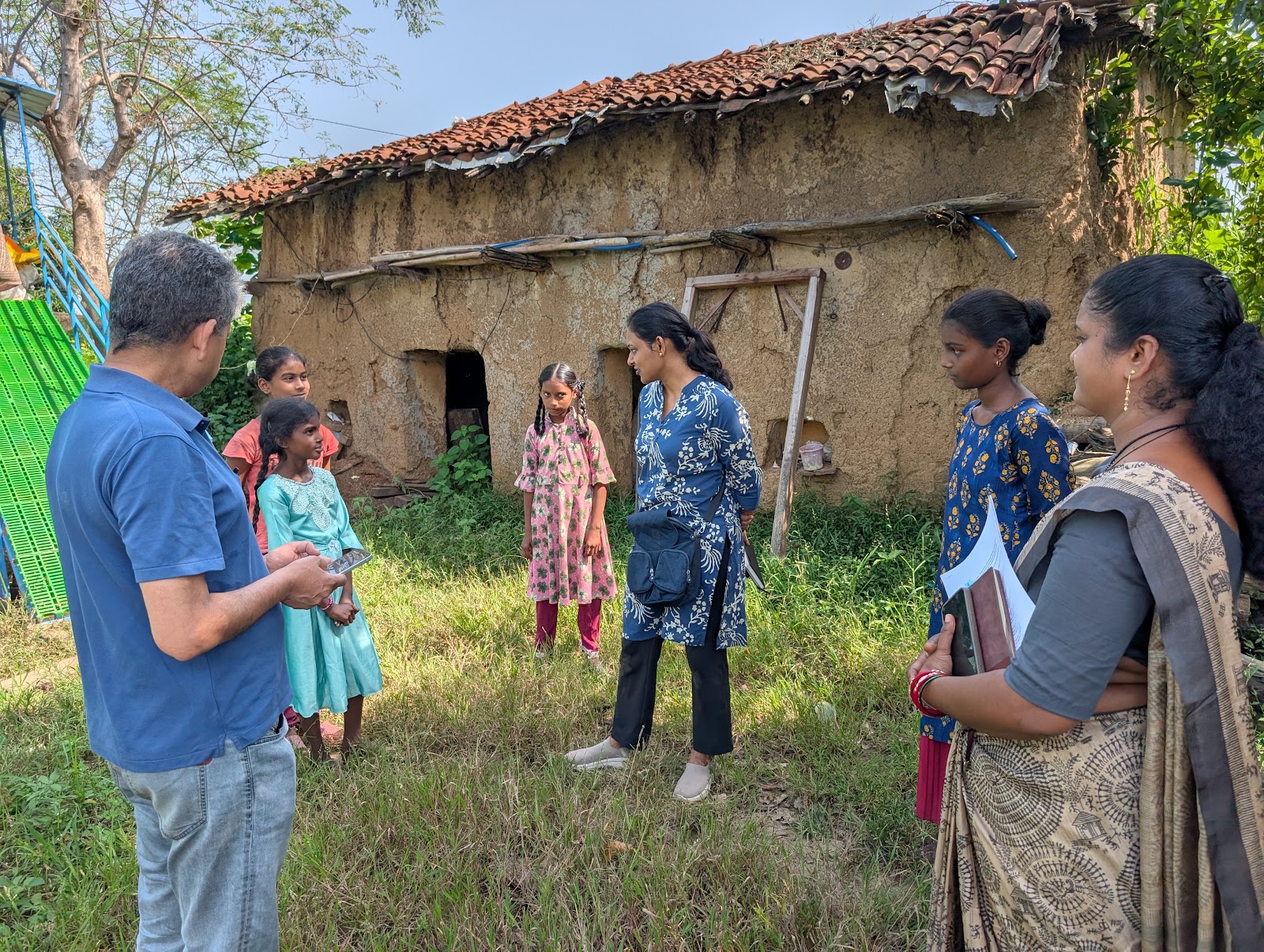
Some of these unlucky farmers are actually ‘smart’ farmers. These farmers are small-holders (less than 2 acres of land) with a risk-taking appetite. They actively use available resources to develop regular and more certain income streams. They strategically utilise subsidies to adopt efficient alternatives and/ or use YouTube to upskill, experiment, and find that which works.
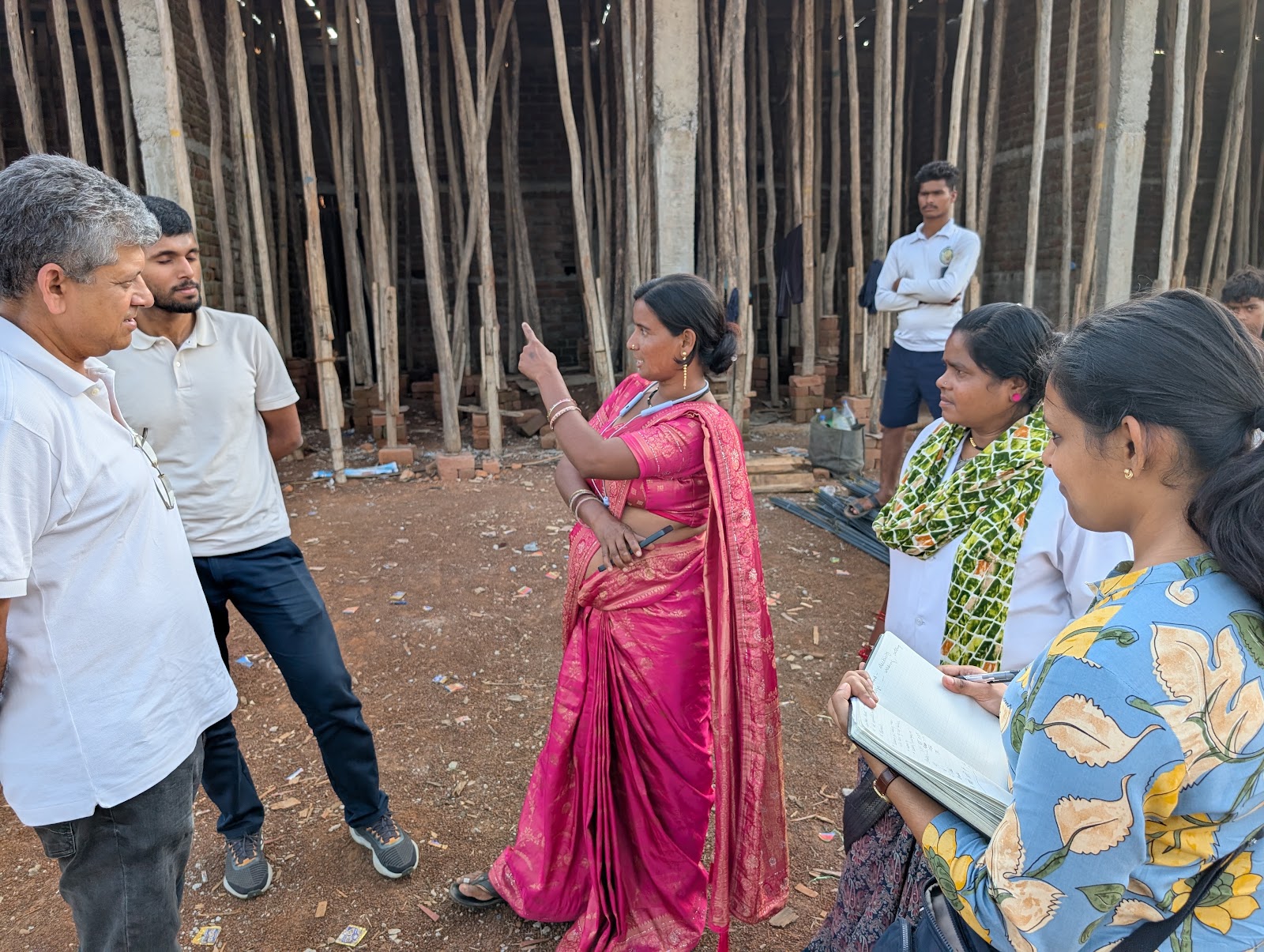
Kevra Didi, Chhattisgarh: catering and goat-rearing
For example, there’s Kevra Didi from Chhattisgarh who, while being a farm labourer, discovered that the local government organises many events and she can be the go-to caterer. She also discovered that she is eligible for a government programme called Project AJAH[2], through which she started goat-rearing. She is no longer dependent on the seasonal and highly precarious agri-labour work to take care of her family. In fact, she is now building a one-storey building where she can open her offices on the ground floor, and her residence on the first floor.
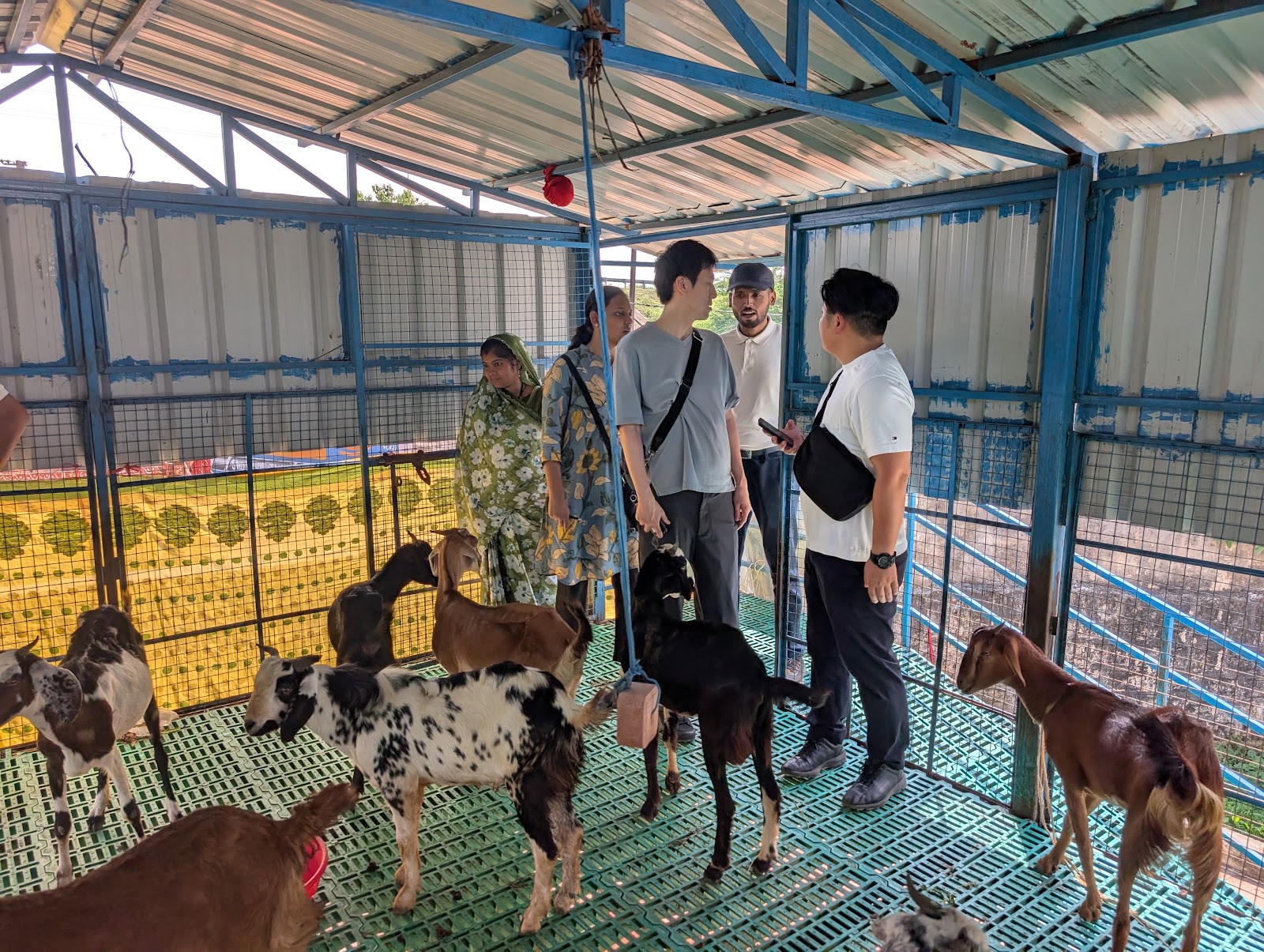
Kaushalya Didi, Maharashtra: incense sticks learnt on YouTube
Kevra Didi is not alone. We also met Kaushalya Didi and her husband, farmers in Maharashtra, who taught themselves to make incense sticks through their university of choice – YouTube. They experimented with different methods, sought feedback from friends and family and added perfume to their products. With low-interest SHG loans, they bought machines to increase production and expand their range. They now look forward to trying goat farming with Manikstu Agro.
Building agency, one community at a time
Their stories are not fairy tales. Kevra Didi, Kaushalya Didi, and her husband see the world as full of opportunity and innovation. Having gone through the struggle of uncertain income, discovering new income streams, and taking the risky first step, they understand what it takes to make things happen, i.e. build agency. Then, they advise, encourage, and support others in their community in starting their own journeys of making things happen.
While a YouTube video can teach someone a new skill, it cannot make credit easier to access, build reliable infrastructure, or protect a family from crop failure. These are the gaps that impact entrepreneurship can help address, by building solutions with and for high agency individuals, who are already working hard to create more secure and independent lives for themselves and their communities.